Introduction to Rubber Seals
Rubber stamps have been a fundamental tool in various industries for decades. Originally used in offices to mark official documents, rubber stamps have evolved significantly since their invention. Historically, the first rubber stamps were simple and manual, but with the advancement of technology, automatic and digital varieties have emerged that offer greater precision and efficiency.
Currently, rubber stamps are used in a wide range of sectors, from manufacturing to crafts. In offices, these stamps are essential for authenticating documents, providing dates, and performing other administrative tasks. In the field of crafts, rubber stamps allow artists and creators to customize their projects with unique and detailed designs. On the other hand, in manufacturing, these stamps are crucial for printing brands and logos on products, ensuring consistency and quality.
One of the main advantages of rubber stamps is their durability. Manufactured with high-quality materials, these stamps can withstand repeated use without losing their effectiveness. Additionally, the precision in the prints is another outstanding feature, ensuring that each stamp is clear and legible. This precision is vital in applications where accuracy is crucial, such as creating legal documents or producing marketing materials.
In short, rubber seals have not only maintained their relevance over time, but have also adapted to the changing needs of various industries. Their combination of durability and precision makes them an invaluable tool in any professional or creative environment.
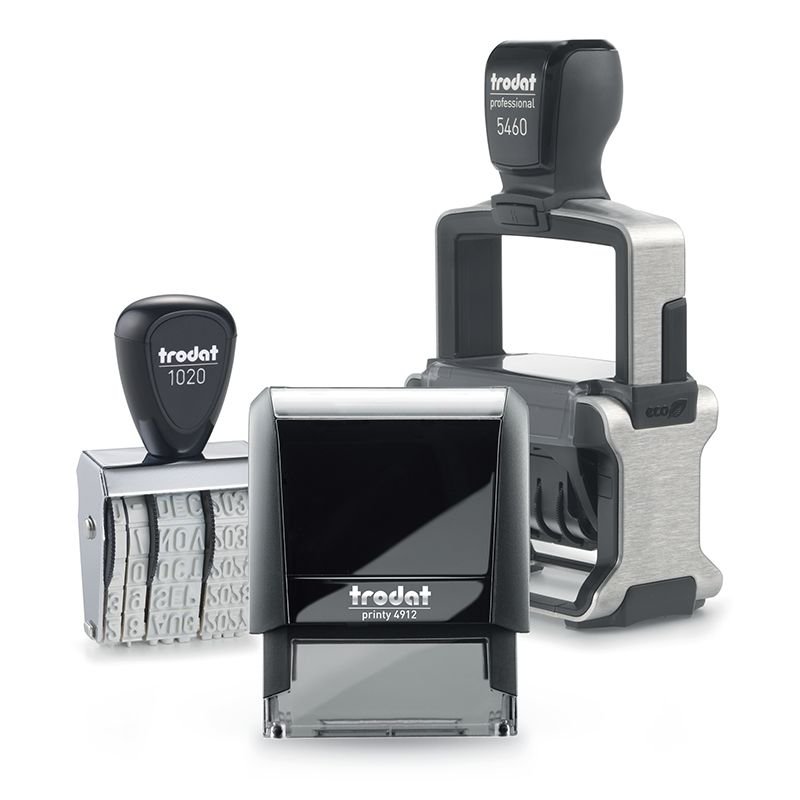

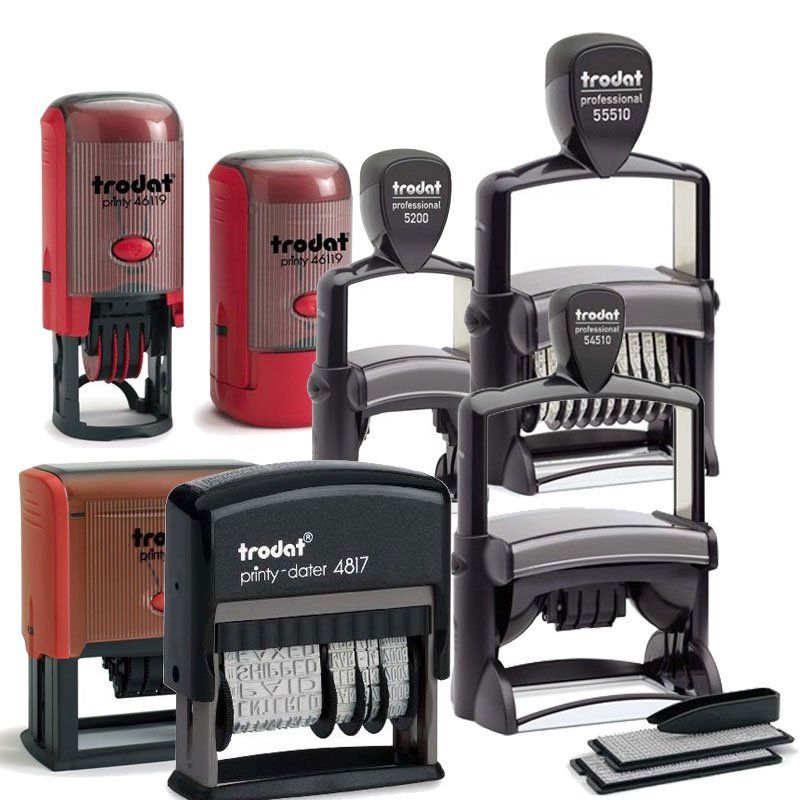
Automatic and Manual Rubber Seals
In the market for rubber stamps, there are two main types: automatic and manual. Each of these types offers distinctive features that make them suitable for different needs and applications.
Automatic rubber stamps are designed with a self-ink mechanism, meaning the ink pad is built into the stamp itself. This design allows for repeated use without the need to manually ink the stamp before each use. One of the greatest advantages of automatic stamps is their convenience and efficiency in situations requiring frequent stamping, such as in offices, banks, and other commercial environments where speed and consistency are essential. However, a disadvantage may be the limitation in design customization, as they often have a standard size and shape.
On the other hand, manual rubber stamps offer great versatility and the possibility of customization. These stamps require an external ink pad, allowing the user to choose different colors and types of ink according to their specific needs. The ability to customize is a significant advantage, as unique and detailed designs can be created that would not be possible with automatic stamps. Manual stamps are ideal for creative projects, crafts, and situations where a personal touch is required, such as in the packaging of handmade products or at special events. However, their use can be less efficient in terms of time, as each stamping requires a manual ink process.
In short, the choice between an automatic and a manual seal depends on the specific needs of the user. If speed and consistency are prioritized in a high-demand environment, automatic seals are the ideal option. For those seeking greater customization and flexibility, manual seals offer an excellent alternative.
Customized Rubber Stamps vs. Prefabricated Stamps
When choosing between custom rubber stamps and pre-made stamps, it is crucial to consider the specific needs of each user. Custom rubber stamps offer the flexibility to adapt to unique requirements, such as company logos, personal signatures, or any particular design that one wishes to incorporate into the stamp. This customization allows companies to project a consistent and professional image, which can be essential for the brand and corporate identity.
On the other hand, prefabricated stamps stand out for their ease and quickness of use. These stamps are usually available in a variety of common designs, such as dates, standard phrases, and other commonly used elements that are frequently used in offices and businesses. The main advantage of prefabricated stamps is their immediate availability, making them a practical option for urgent needs or everyday tasks that require speed and efficiency.
So, when is it better to opt for a custom rubber stamp and when for a prefabricated one? The answer largely depends on the purpose and frequency of use. If the task requires a specific design that represents the identity of a company or a personal signature, custom stamps are the ideal choice. These allow for a unique and professional presentation, which is essential in official documents and business communications.
In contrast, if the need is more general and recurring, such as sealing the date on documents or using pre-defined phrases, prefabricated seals are the most convenient option. Their availability and ease of acquisition make them especially useful for daily administrative tasks.
In short, both custom-made and prefabricated rubber seals have their place and usefulness in the market. The choice between one and the other should be based on the specific needs of the user, balancing customization and efficiency as required by each situation.
Care and Maintenance of the Rubber Seals
Proper care and maintenance of rubber seals is essential to prolong their lifespan and ensure optimal performance. Here we discuss a series of practical tips that will help you keep your seals in the best possible condition.
To begin with, regular cleaning of the rubber seals is essential. After each use, it is recommended to clean them with a damp cloth to remove any ink residue. Avoid using aggressive chemicals, as they can damage the rubber. Instead, opt for cleaning agents specifically designed for rubber seals, which are designed to remove the ink without compromising the integrity of the material.
Proper storage also plays a crucial role in the care of rubber seals. Store the seals in a cool, dry place away from direct sunlight and heat sources. Prolonged exposure to the sun or heat can cause the rubber to degrade and lose its elasticity. Additionally, be sure to store the seals in a horizontal position to prevent deformation.
Identifying and solving common problems is another skill that will come in handy. Rubber wear is inevitable over time, but you can minimize it through proper cleaning and storage. If you notice that the seal is not printing evenly, it may be that dry ink has accumulated on the surface. In such cases, a deeper cleaning with a soft brush and a specific cleaner can solve the problem.
Finally, there are various products and tools that can facilitate the care of rubber seals. Seal cleaners, microfiber cloths, and storage cases are some of the elements that can help you keep your seals in excellent condition. Investing in these products not only prolongs the lifespan of your seals but also ensures consistent, high-quality performance.